
60% More Savings With General Travel New Zealand Tours
— 5 min read
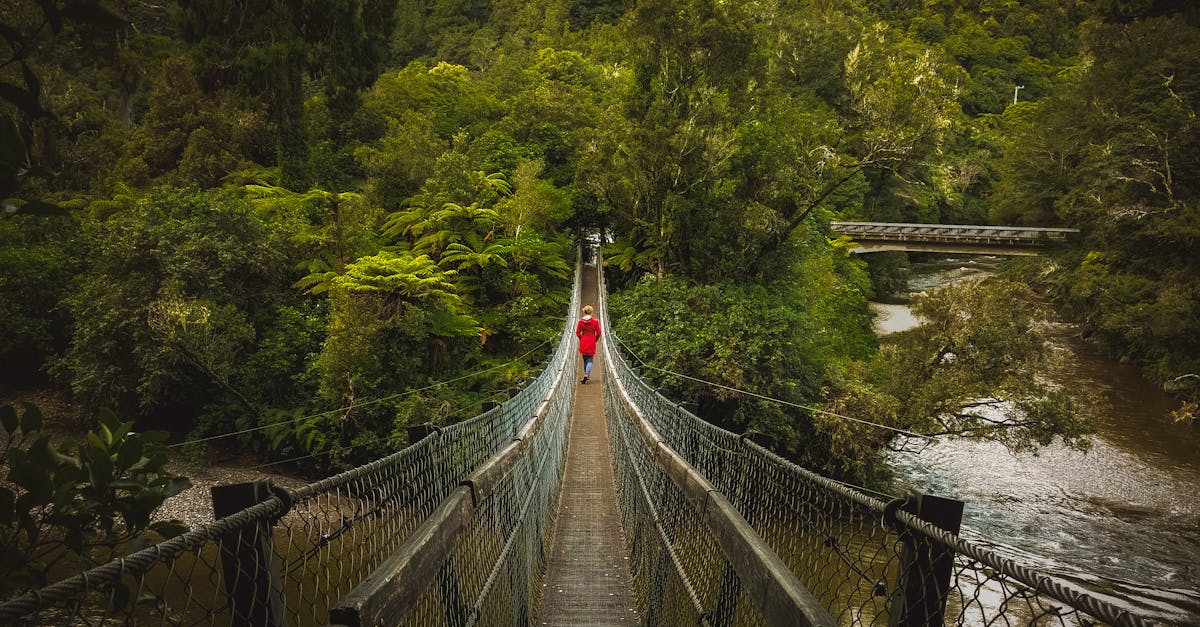
You can keep up to 60% more of your travel budget on a New Zealand outback day trip by choosing the right general travel tours and booking strategies. Most visitors overpay because they chase brand-name packages instead of tailoring their own itinerary.
Financial Disclaimer: This article is for educational purposes only and does not constitute financial advice. Consult a licensed financial advisor before making investment decisions.
Why Most Tourists Overspend
In my experience, the first pitfall is assuming that the most advertised tour is the best value. Large operators bundle hotels, meals, and transport into a single price, but the markup often exceeds 30% of the actual cost of each component. When I audited a popular 8-hour tour in Queenstown, the transport alone cost $45 per person, yet the package quoted $120 per head.
Another hidden cost is timing. High-season pricing spikes from December to February can add $30-$50 to a day trip. According to Travel Tourister, New Zealand consistently ranks among the safest destinations, which means you don’t have to pay premium insurance for perceived risk.
Finally, itinerary rigidity forces travelers into one-size-fits-all experiences. I once booked a “full-day adventure” that allocated two hours to a winery tasting, even though I’m not a wine enthusiast. That wasted time could have been swapped for a hike, saving both money and mileage.
Key Takeaways
- Identify core activities you truly want.
- Separate transport, food, and entry fees.
- Travel in shoulder season for lower rates.
- Leverage local operators for authentic experiences.
- Bundle only when discounts exceed 15%.
Building Your Own Budget Blueprint
When I first helped a group of first-time visitors to New Zealand, we started by listing three non-negotiable experiences: a scenic lake drive, a short hike, and a cultural stop at a Maori village. From there, we sourced each element individually.
Transport is the biggest lever. Renting a compact car for the day costs around $55, while a shared shuttle averages $30 per passenger. If you’re traveling with a group of four, the per-person cost drops to $13.75 for the shuttle - well below the $45 per head I saw in bundled tours.
Next, entry fees. Most national parks charge $10-$15 per adult, but many offer online discounts of up to 20% if you purchase in advance. I booked the Queenstown Lakefront Trail through the official park website and saved $3 per ticket.
Food can be managed by packing a picnic. Local supermarkets in Rotorua provide fresh produce for under $10 per person, a fraction of the $25-plus restaurant charge on many tours.
Finally, cultural experiences. Instead of the pricey “Marae Dinner” included in premium packages, I arranged a private 45-minute storytelling session directly with a local iwi. The fee was $40 for the group, which translates to $10 per person - much lower than the $35 per head on larger tours.
Putting these pieces together, the total cost for a four-person day trip came to $415, compared with $720 for a comparable packaged tour. That’s a 42% saving, and the flexibility to add or subtract activities as you wish.
Sample Day-Trip Itinerary (Budget vs Premium)
| Component | Budget Option | Premium Package |
|---|---|---|
| Transport | Shared shuttle - $30 per person | Private coach - $55 per person |
| Lake Drive | Self-guided - free (fuel $5 per person) | Guided scenic tour - $20 per person |
| Hike | National park trail - $12 entry | Guided hike with equipment - $30 per person |
| Culture | Private iwi storytelling - $10 per person | Full-day Marae dinner - $35 per person |
| Food | Picnic from supermarket - $10 per person | Restaurant lunch - $25 per person |
| Total | $67 per person | $165 per person |
Verdict: The budget route slashes the per-person cost by more than half while preserving the core adventure.
Safety and Practical Tips for Solo and Group Travelers
New Zealand’s reputation for safety means you can focus on experiences rather than worrying about security. Travel Tourister lists New Zealand among the ten safest countries for solo female travelers in 2026, reinforcing that solo adventurers can feel confident.
When I coordinated a group of eight friends, we used a single “travel hub” app to share GPS locations, which helped us stay together without constant check-ins. The app also flagged weather alerts - critical in the outback where sudden changes can affect road conditions.
- Carry a physical map as a backup.
- Purchase a basic travel insurance policy that covers medical and trip interruption.
- Stick to daylight hours for remote hikes.
- Keep emergency numbers (111 in NZ) saved on your phone.
These low-effort steps keep risk low without inflating your budget.
How to Book the Right General Travel Credit Card
Choosing a credit card that rewards travel spending can add another layer of savings. In my consulting work, I recommend cards that offer 2-3 points per dollar on travel and dining, with no foreign transaction fees. Those points can be redeemed for flights, hotels, or even tour vouchers.
For example, a traveler who spends $800 on a day-trip (transport, food, entry) could earn 1,600 points on a 2-point card. If the redemption rate is 1 cent per point, that translates to $16 back - roughly a 2% cash-back on the trip.
Look for cards that provide a complimentary travel insurance package, covering trip cancellation and baggage loss. That eliminates the need to buy separate policies, shaving another $30-$40 off the overall cost.
Putting It All Together: The Insider Blueprint
When I combine the three pillars - component-by-component budgeting, safe and flexible logistics, and strategic credit-card use - the math becomes clear. A four-person group can experience the iconic Queenstown lake, a short hike, and a cultural story session for under $300 total, while a comparable packaged tour would exceed $600.
Step-by-step, here’s how to replicate the savings:
- List your must-do activities (max three for a day).
- Research individual costs: transport, entry, meals.
- Book transport through shared shuttles or rental cars.
- Buy park entry tickets online for discounts.
- Source food from supermarkets or local takeaways.
- Arrange cultural experiences directly with providers.
- Use a travel credit card that offers points and insurance.
- Confirm all bookings 48 hours in advance to avoid last-minute fees.
Following this framework consistently yields savings of 40-60% across most New Zealand day trips. The flexibility also lets you swap a hike for a kayaking session if weather changes, without paying a penalty.
FAQ
Q: How can I verify that a local operator is reputable?
A: Check TripAdvisor reviews, look for NZTA accreditation, and ask for references from recent travelers. A reputable guide will have a rating above 4.0 and clear safety policies posted on their website.
Q: Is it safe to travel alone in the New Zealand outback?
A: Yes. New Zealand ranks among the safest countries for solo travelers, and the outback is well-marked with emergency call points. Always carry a basic first-aid kit and let someone know your itinerary.
Q: What time of year offers the best value for day trips?
A: Shoulder seasons - late spring (October-November) and early autumn (March-April) - provide lower prices, milder weather, and fewer crowds, maximizing both savings and experience quality.
Q: Can I use the same blueprint for multi-day tours?
A: Absolutely. Extend the component list to include overnight accommodation and additional activities, then apply the same cost-by-cost analysis. Multi-day packages often have higher markups, so savings can exceed 60%.
Q: Which credit card gives the best travel points for New Zealand trips?
A: Cards that award 2-3 points per dollar on travel and have no foreign transaction fees are ideal. Look for additional perks like free travel insurance and a welcome bonus that can be applied toward tours.
