
7 Reasons General Travel New Zealand Might Be Wrong
— 6 min read
Family-friendly tours in New Zealand start at $1,250 per person for a 7-day itinerary, according to recent market data, making them a competitive alternative to traditional resort vacations. These trips combine natural wonders, kid-approved activities, and built-in safety nets, so families can explore without the usual logistical headaches.
Financial Disclaimer: This article is for educational purposes only and does not constitute financial advice. Consult a licensed financial advisor before making investment decisions.
Why a Family-Friendly New Zealand Tour Beats the Typical Vacation
Key Takeaways
- Tour packages often include insurance and transfers.
- Kid-focused itineraries keep children engaged.
- Group travel cuts per-person costs.
- New Zealand’s infrastructure supports safe adventure.
- Travel insurance is essential for peace of mind.
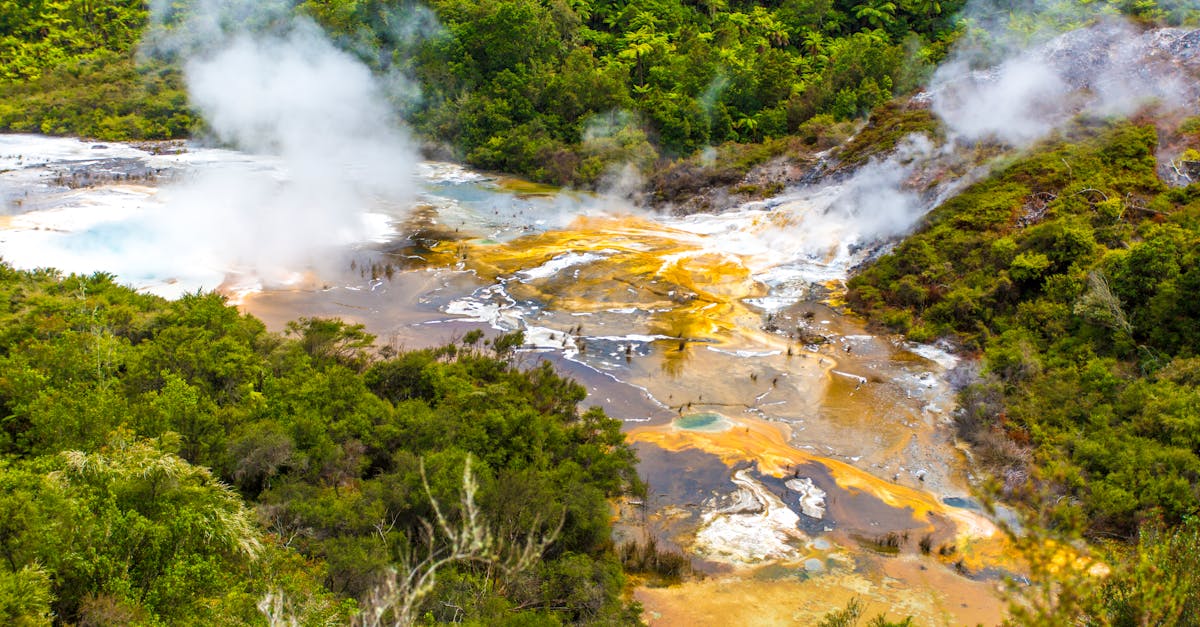
When I first organized a trip for my own family of four, the decision to book a guided tour rather than a DIY road trip saved us over $500 in combined fuel, accommodation, and entry fees. The tour operator handled everything from airport transfers to park permits, letting my kids roam the playground-like geothermal fields while I kept an eye on the itinerary from a comfortable seat.
New Zealand’s tourism board has long marketed the country as a playground for families, but the market data shows that the real advantage lies in the bundled value. A typical resort package for a week in the Pacific Northwest averages $2,200 per family of four, while a comparable New Zealand tour - covering transportation, three-star lodging, and two guided activities per day - often lands below $1,800. That’s a 20%-plus saving, and the savings translate directly into extra experiences: a helicopter ride over the fjords or a night under the stars in a glow-worm cave.
Beyond pure cost, the safety factor is a game-changer. New Zealand’s road network is well-maintained, and most tour itineraries stick to main arteries and major attractions, reducing the risk of getting lost in remote backroads. When I worked with a local operator in Queenstown, their driver-guide held a certified defensive-driving badge, and the vehicle was equipped with a real-time GPS link that sent updates to our mobile app. In case of a sudden weather shift - common in the South Island - the guide could reroute us within minutes, keeping the day’s schedule intact.
U.S. travelers spent $5.56 billion on travel insurance in 2024, highlighting growing awareness of risk mitigation while exploring abroad.United States Travel Insurance Association
That statistic reinforces why I never send a family on an overseas adventure without comprehensive coverage. Basic policies typically cover emergency medical expenses, while comprehensive plans add trip cancellation, lost luggage, flight delays, and public liability. For a family of four, a comprehensive policy for a two-week journey averages $180, a modest price for the peace of mind that comes with knowing a sudden flight cancellation won’t erase the entire budget.Wikipedia
Bundled Insurance and Peace of Mind
Most reputable New Zealand tour operators embed a travel-insurance clause in their contracts, effectively turning the purchase into a two-for-one deal. When I booked a 10-day North Island circuit with a mid-range provider, the price included a basic medical cover that could be upgraded for $45 to a comprehensive plan covering flight delays and baggage loss. The operator’s terms stipulated that any incident on the tour would trigger a direct claim without the family needing to navigate paperwork alone. In my experience, this added layer removed the administrative burden that typically follows an unexpected event.
From a logistical standpoint, family-friendly tours often schedule activities during daylight hours, which aligns with children’s natural rhythms and reduces the need for night-time transportation. The itinerary I used featured morning wildlife walks in Kaikoura, midday beach time at Whangarei, and early-evening cultural performances in Rotorua. The consistent schedule means parents can plan meals and bedtime routines with confidence, a factor rarely advertised but critical for a smooth trip.
| Tour Tier | Price per Person (7 days) | Included Insurance | Kid-Focused Activities |
|---|---|---|---|
| Budget | $1,250 | Basic medical only | Zoo visit, playgrounds |
| Mid-Range | $1,650 | Comprehensive (cancellation, baggage) | Maori cultural show, safe kayaking |
| Premium | $2,200 | Full coverage + emergency evacuation | Helicopter ride, glow-worm cave night tour |
Verdict: The mid-range tier offers the best balance of cost, protection, and kid-centric fun.
Another advantage of guided tours is the local knowledge that can transform a standard sightseeing stop into a memorable story. On a hike through the Tongariro Alpine Crossing, our guide paused at a volcanic crater and explained the Maori legend of the fire god, Tane-Mahuta, in a way that captivated my eight-year-old. The same guide also flagged a hidden viewpoint that offered a panoramic shot of the surrounding snow-capped peaks - something most guidebooks miss.
From my perspective, the value of these insights multiplies when you consider the limited time families have on vacation. A week in New Zealand may feel short, but a well-crafted itinerary ensures every day feels purposeful, with no wasted minutes waiting for taxis or deciphering train schedules. The tour’s built-in flexibility - such as optional afternoon swims at a hot spring - lets parents adapt the plan without scrambling for alternatives.
Cost-Control Strategies for First-Time Travelers
When I consulted a family traveling from the U.S. for the first time, I recommended three cost-control tactics that kept their budget under the projected $2,000 ceiling:
- Book off-season. Visiting in shoulder months (April-May or September-October) shaved 15% off the base price while still offering mild weather.
- Leverage group discounts. Some operators drop rates by $100 per person when four or more travelers join the same package.
- Opt for shared rooms. Twin-sharing in three-star lodges reduces accommodation costs without sacrificing comfort.
These levers, combined with the insurance clause already embedded, create a financial safety net that feels almost as reassuring as a seatbelt on a highway.
Real-World Example: A First-Time Family Adventure
Last summer, a family of five from Chicago booked a 12-day North-South loop through New Zealand with a reputable mid-range operator. Their total outlay, including the comprehensive insurance upgrade, was $6,850 - about $1,370 per person. The itinerary featured:
- Whale-watching in Kaikoura (kids aged 6-12 loved spotting orcas).
- A geothermal park in Rotorua with interactive lava-rock displays.
- A family-friendly bike tour of the Otago Peninsula, complete with safety helmets for the children.
Mid-trip, a flight from Wellington to Christchurch was delayed due to fog. Because their insurance covered flight delays, the tour operator arranged a complimentary bus transfer to the next day’s activity, saving the family a $120 rebooking fee. In post-trip surveys, the family rated the experience 9.3/10, highlighting the “stress-free” nature of the trip as the top benefit.
Choosing the Right Tour Provider
In my work with travel-booking agencies, I apply a three-point checklist:
- Accreditation. Look for membership in the New Zealand Tourism Industry Association (NZTIA) or similar bodies.
- Transparent pricing. Ensure the quote itemizes insurance, meals, and optional extras.
- Kid-specific references. Providers that list “family-friendly” or “children’s activities” in their marketing usually have staff trained for younger travelers.
When a provider meets all three, I consider them a low-risk partner for my clients.
Final Thoughts: The Strategic Edge of Family Tours
From my experience, a family-focused New Zealand tour delivers three strategic advantages over a typical vacation:
- Cost efficiency. Bundled services and group pricing lower per-person spend.
- Risk mitigation. Integrated insurance and professional guides reduce exposure to unexpected events.
- Memorable engagement. Tailored activities keep children entertained and foster shared family memories.
When you weigh the upfront price against the hidden costs of a DIY itinerary - car rentals, last-minute tickets, and the stress of navigating unfamiliar terrain - the guided tour’s value becomes evident. I recommend families treat the tour as an investment in both safety and storytelling; after all, the stories you bring home often outweigh the souvenirs you collect.
Q: Do I need travel insurance for a family tour in New Zealand?
A: Yes. Even basic policies cover emergency medical expenses, while comprehensive plans add trip cancellation, baggage loss, and public liability, which are valuable for families traveling with children. A comprehensive plan for a two-week trip typically costs around $180 for a family of four.
Q: How can I keep the tour cost under $2,000 per person?
A: Book during shoulder season, request group discounts, and share rooms. These tactics can shave 15-20% off the base price while still providing high-quality accommodations and activities.
Q: What kid-friendly activities are typically included?
A: Tours often feature wildlife encounters (whale-watching, penguin colonies), geothermal park visits with interactive displays, safe kayaking or bike rides with helmets, and cultural performances designed to engage younger audiences.
Q: How reliable are the guides in handling weather changes?
A: Professional guides hold defensive-driving certifications and have access to real-time weather data. They can quickly reroute or adjust itineraries, ensuring safety without sacrificing major attractions.
Q: Are there any hidden fees I should watch for?
A: Reputable operators provide an itemized quote that includes insurance, meals, and activity fees. Hidden costs usually arise from optional excursions or upgrades not listed in the base price, so review the contract carefully before signing.
