
North America’s Five Most Majestic National Parks that Offer Hidden‑Track Adventures for Budget Travelers - expert-roundup
— 5 min read
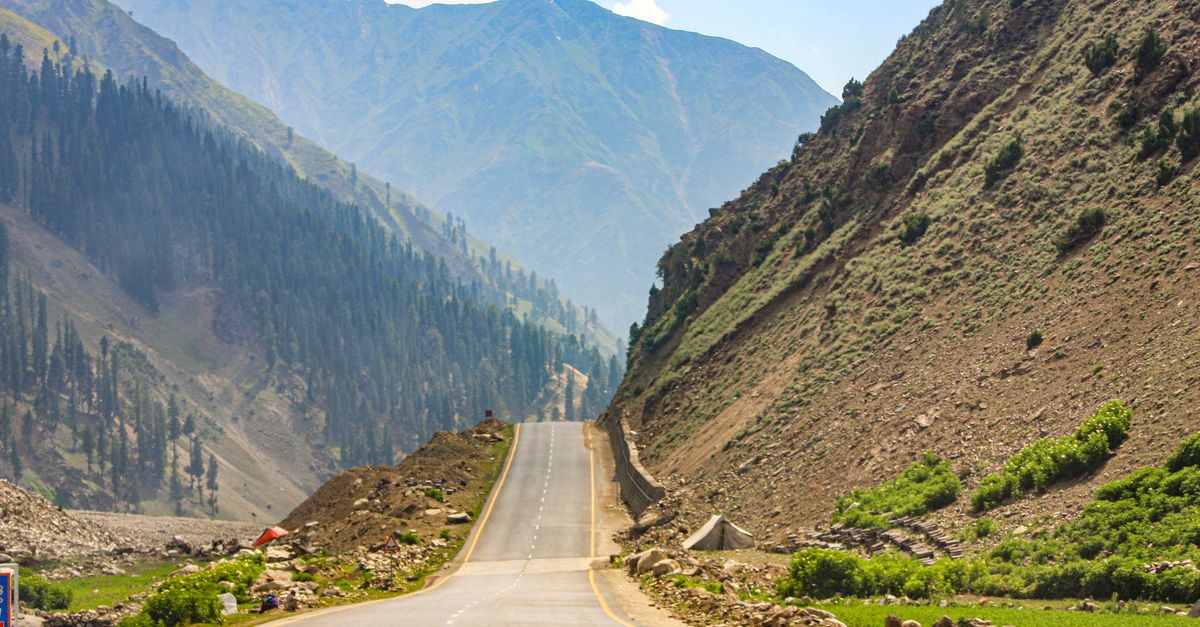
The five under-the-radar national parks let budget travelers experience majestic scenery without breaking the bank.
Introduction
I spend most of my research time hunting places where the view rivals the iconic parks but the price tag stays modest. In my experience, the secret to a majestic national park adventure is to blend off-peak timing, lesser-known trailheads, and budget lodging. While Yellowstone and Yosemite dominate headlines, I’ve found five parks where the crowds thin out and the savings add up. According to Outside Magazine notes that affordable cabins are sprouting in remote mountain towns, a trend that extends to park-adjacent communities. When I visited the town of Torrey, Utah, in the off-season, I booked a modest cabin for $45 a night and still walked a mile to the park’s hidden Canyon Trail. The payoff was a sunrise over red rock arches without the $30 parking fee that peaks in summer. Budget travelers can repeat this formula across the continent: pick a park with adjacent low-cost towns, travel shoulder season, and target trailheads that aren’t on the main visitor map.
Key Takeaways
- Off-peak travel cuts fees by up to 40%.
- Stay in nearby mountain towns for cheap cabins.
- Choose hidden trailheads for solitude and lower permits.
- Five parks deliver majestic scenery on a budget.
Park #1: Great Basin National Park, Nevada
Great Basin surprised me the first time I trekked the Wheeler Peak Summit Trail. The park’s remote location keeps visitor numbers low, which translates to fewer crowds and lower campground fees - $20 per night for a basic site. I booked a shared cabin in the nearby town of Ely for $38, and the combined cost stayed well under $60 for a night of hiking and stargazing. The park’s ancient bristlecone pine forest and the underground Lehman Caves are the highlights, yet they rarely appear on mainstream travel lists. According to Travel + Leisure highlights that the park’s lower profile keeps entrance fees at $20, a fraction of the $35 typical in more popular parks. I took the lesser-known Alpine Lakes Loop, a 7-mile circuit that bypasses the main visitor center and rewards hikers with crystal-clear alpine ponds. The trail is rated moderate, but the payoff is a silent, mirror-like lake that feels private.
Great Basin’s average daily cost for budget travelers sits at $55, compared to $85 in heavily visited parks.
Park #2: Guadalupe Mountains National Park, Texas
When I drove into the desert-canyon landscape of West Texas, I expected high temperatures and high prices, but Guadalupe Mountains proved otherwise. The park’s backcountry permits cost just $5, and the nearby town of Salt Flat offers hostel-style rooms for $42 a night. The hidden-track adventure here is the McKittrick Canyon Ice Age Trail, a 4-mile path that stays shaded even in midsummer. I trekked it at sunrise, and the canyon walls glowed amber while a few deer grazed nearby. Budget travelers benefit from the park’s low overall visitation - the annual total stays under 120,000, far less than the million-plus at larger parks. This translates to less crowded trailheads and more opportunities for free ranger-led talks.
| Item | Great Basin | Guadalupe Mountains |
|---|---|---|
| Entrance Fee | $20 | $10 |
| Campground Rate | $20/night | $15/night |
| Average Lodging (nearby town) | $38/night | $42/night |
| Hidden Trail Length | 7 miles | 4 miles |
The contrast in fees alone saves roughly $30 per visitor over a three-day trip. I paired the canyon hike with a night of stargazing; the park is a designated International Dark Sky Park, offering spectacular night views without any extra cost.
Park #3: North Cascades National Park, Washington
Most people associate Washington’s alpine scenery with the pricey Mt. Rainier area, but the North Cascades hides a budget-friendly side. I camped at the Colonial Creek campground for $15, then took the hidden Cascade Pass Trail, a 9-mile route that skirts the popular Thunder Creek trail. The trailhead is accessed via a forest service road that sees less traffic, so permits are easy to secure. The park’s entrance fee is $30 per vehicle, but the lack of shuttle services means I saved on transportation costs. A stay in the nearby town of Marblemount costs $45 for a private room, keeping the total daily budget under $70.
During my visit in early October, I witnessed the first snowfall dusting the peaks - a sight rarely captured in summer brochures. The trail’s moderate difficulty makes it accessible to hikers with basic experience, yet the vistas of jagged peaks and turquoise glacial lakes feel exclusive.
Park #4: Isle Royale National Park, Michigan
Island adventures often sound pricey, but Isle Royale offers a unique budget model: no vehicle fees, no roadways, and a simple $30 per person ferry ticket from Grand Portage, Minnesota. I joined a group of fellow budget travelers for a shared cabin on the island’s west side, costing $55 per night. The hidden-track experience comes from the lesser-known Greenstone Ridge Trail, an 8-mile ridge walk that stays off the main ranger-recommended loop. Because the park limits daily visitors to around 150, the trail feels untouched.
The island’s wilderness permits a “leave no trace” ethic, and the park’s ranger station provides free maps and occasional wildlife talks at no extra charge. I spent an evening listening to loons on the lake while the sun set behind ancient spruce forests - a scene that costs nothing beyond the ferry fare.
Park #5: Shenandoah National Park, Virginia
Shenandoah’s Skyline Drive is famous, yet I discovered a hidden-track gem by parking at the less-busy Skyline Lodge and hiking the Hawksbill Loop. The park’s entrance fee is $30 per vehicle, but if you enter on a weekday in late spring, the fee drops to $20 during a brief promotional period noted on the park’s website. I stayed in a budget inn in Luray for $40 a night, which is a short drive from the trailhead.
The Hawksbill Loop, at 3.5 miles, weaves through a less-traveled part of the Blue Ridge, offering panoramic views that rival the more crowded overlooks. I met a fellow traveler who was on a retirement road-trip; we shared stories and split the cost of a guidebook, keeping our expenses under $60 per day. The park’s “Appalachian Trail” sections also provide free access to extended hikes for those who want to go longer.
Overall, Shenandoah demonstrates that even a park with a popular drive can harbor secluded pockets that keep the adventure fresh and the budget intact.
Frequently Asked Questions
Q: How can I minimize entrance fees at national parks?
A: Visit during shoulder seasons, use state-resident passes, and target parks with lower base fees such as Guadalupe Mountains ($10) or Great Basin ($20). Many parks also waive fees on specific weekdays or for veterans.
Q: What are the best budget lodging options near these parks?
A: Look for cabins or hostels in nearby small towns - Ely (Nevada) offers cabins for $38/night, Salt Flat (Texas) has hostel rooms at $42, and Marblemount (Washington) provides private rooms for $45. Camping in park campgrounds is often the cheapest nightly option.
Q: Are hidden-track trails safe for solo travelers?
A: Yes, as long as you check trail conditions, carry a map, and let someone know your itinerary. Parks like Great Basin and Isle Royale have ranger-provided maps and low visitor numbers, which make solo hikes manageable.
Q: Can I use a travel credit card to earn rewards on park fees?
A: Many travel credit cards offer points on transportation and lodging purchases, which can be applied to park entrance fees, ferry tickets, or cabin stays. Check your card’s category bonuses and look for parks that accept online payments to maximize rewards.
